30 Things to Do Before Thanksgiving and Christmas for a Stress-Free Holiday Season
The holidays are supposed to be the most wonderful time of the year, but between decorating the house, buying gifts, planning meals, and hosting family, November and December can get overwhelming fast.
The secret to enjoying the season? Getting a few things done ahead of time.
You don’t need to have every detail figured out weeks in advance. A little planning now can save you last-minute shopping trips, forgotten ingredients, and the feeling that you have a hundred things to do when you’d rather be enjoying the holidays.
Whether you’re hosting Thanksgiving dinner, preparing for Christmas guests, or simply hoping to make the season feel more organized, these 30 practical tasks will help you get ahead without overcomplicating things.
Your Holiday Prep Timeline at a Glance
Not sure where to begin? Use this simple timeline to spread your tasks across the season instead of trying to do everything at once.
- Start now: Set your holiday budget, make your gift list, declutter your home, and check your decorations.
- Before Thanksgiving: Finalize your menu, organize groceries, confirm guests, and prepare what you can in advance.
- Between Thanksgiving and Christmas: Finish gift shopping, decorate for Christmas, plan holiday meals, and prepare for overnight guests.
- Throughout the season: Keep your schedule realistic, make time for yourself, and enjoy the traditions that matter most.
You can adjust the timeline to suit your plans. If you’re hosting a large gathering or traveling for the holidays, start earlier wherever possible.
1. Get Your Home Holiday-Ready
Before bringing out the decorations or inviting guests over, spend a little time getting your home ready. You don’t need a complete makeover. Focus on the areas that will make the biggest difference.
1. Declutter the Spaces You Use Most
Start with your entryway, living room, kitchen counters, and dining table. Clear away everyday clutter, return misplaced items to their homes, and donate things you no longer use.
If you’re expecting guests, pay particular attention to surfaces where bags, coats, drinks, and serving dishes might accumulate.
Quick tip: Give yourself 15–20 minutes to tackle one area at a time instead of attempting to declutter the entire house in one day.
2. Give Your Kitchen a Quick Reset
The kitchen will probably work harder than usual during the holidays. Clear expired food from the pantry, check your spices, organize your cooking utensils, and make room for ingredients you’ll need for Thanksgiving and Christmas.
Clean out the refrigerator, too. You’ll appreciate the extra space when you’re storing groceries, prepared dishes, and leftovers.
3. Wash Guest Bedding and Towels
If family or friends will be staying overnight, check your spare bedding before the busy season begins. Wash sheets, pillowcases, blankets, and guest towels, and make sure you have enough for everyone.
If you don’t have a dedicated guest room, prepare a comfortable sleeping area with fresh linens, an extra pillow, and a blanket within easy reach.
4. Check Your Holiday Decorations
Before buying anything new, unpack the decorations you already own. Check string lights, ornaments, wreaths, and other seasonal decorations.
Replace damaged items, test lights according to the manufacturer’s instructions, and make a short list of anything you genuinely need.
This is also a good time to decide on a decorating direction. Classic red and green, natural greenery, metallic accents, or a more neutral palette can all look beautiful when the elements work together.
5. Make Your Home Feel Cozy
You don’t need to redecorate an entire room to create a welcoming holiday atmosphere. Fresh greenery, a seasonal centerpiece, a soft throw, or a few decorative accents can make your home feel more inviting.
Concentrate on the living room, entryway, and dining area rather than trying to decorate every corner. A few thoughtful touches can be more effective than filling every available surface.
2. Plan Your Holiday Budget and Gifts
Gift shopping and holiday spending can quickly get out of hand when you make decisions at the last minute. A simple plan helps you stay organized and avoid unnecessary purchases.
6. Set a Realistic Holiday Budget
Decide how much you can comfortably spend on gifts, groceries, decorations, travel, and entertaining.
Break your budget into categories and keep track of purchases as you make them. Remember to allow some room for unexpected expenses, such as an extra guest or a last-minute ingredient.
The goal isn’t to make the holidays feel restrictive. It’s to enjoy them without worrying about the bills afterward.
7. Make a Gift List Before You Start Shopping
Write down everyone you plan to buy for, from close family and friends to teachers, colleagues, and hosts.
Next to each name, add a budget and a few gift ideas. This prevents you from repeatedly browsing for the same person or buying something simply because it looks appealing.
If you’re short on inspiration, think about each person’s interests, favorite activities, and everyday needs. A thoughtful gift doesn’t have to be expensive to feel personal.
8. Start Shopping for Gifts Early
You don’t need to buy every gift in October, but starting early gives you more time to compare options, check delivery estimates, and find something the recipient will genuinely appreciate.
Prioritize gifts that need shipping, personalized items, and anything that might sell out during the holiday rush.
Keep a record of what you’ve ordered, when it should arrive, and whether it needs to be wrapped. This simple step makes it much easier to spot missing gifts before the last minute.
9. Organize Your Gift-Wrapping Supplies
There’s nothing quite like realizing you have several gifts to wrap and no tape left.
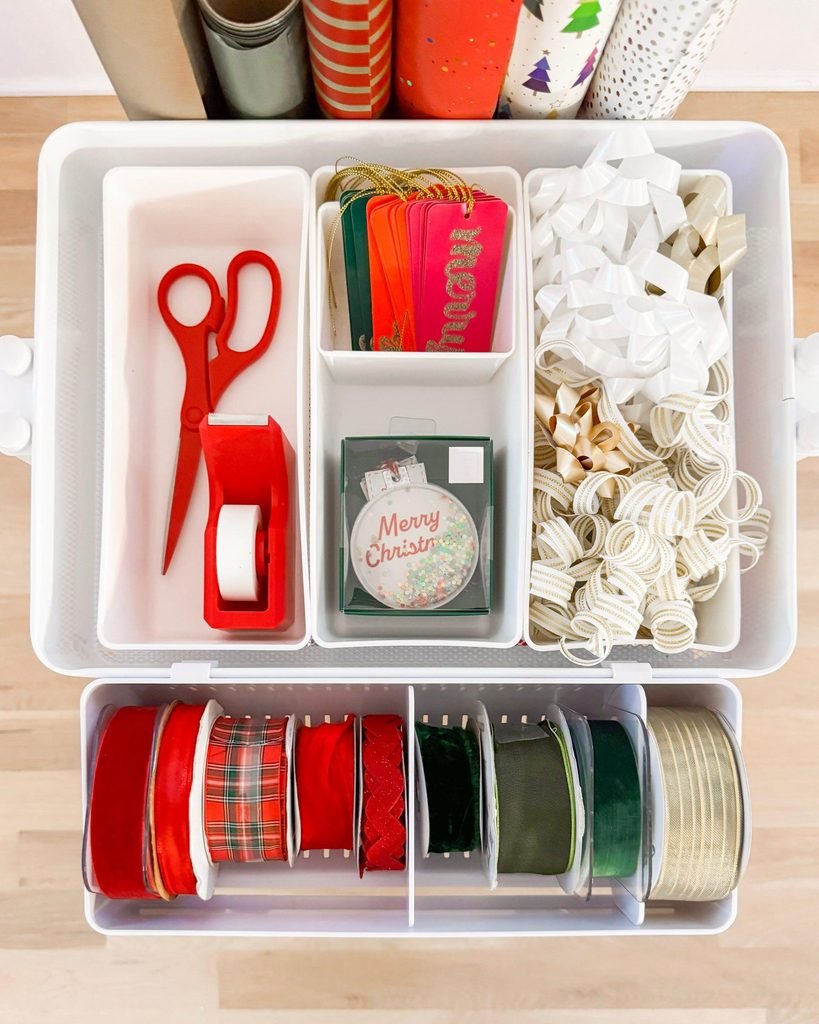
Gather wrapping paper, gift bags, tissue paper, ribbons, gift tags, scissors, and tape in one place. Check what you already own before purchasing more.
You can also reuse gift bags and suitable ribbons from previous celebrations to reduce waste. Once everything is together, wrapping a few gifts at a time becomes much less of a chore.
10. Plan Your Holiday Cards and Small Gestures
If you send holiday cards, make your list of recipients and check that you have their current addresses. Decide whether you’ll send printed cards, handwritten notes, or digital greetings.
You can also plan small gestures for neighbors, teachers, colleagues, or anyone who has helped you during the year.
These don’t need to be expensive. A thoughtful note or a simple homemade treat can be just as meaningful.
3. Prepare for Thanksgiving
Thanksgiving falls on November 26 in 2026. If you’re hosting, getting the menu, groceries, and practical details sorted early can make the actual day much more enjoyable.
11. Finalize Your Thanksgiving Menu
Choose the dishes you want to serve before you start buying ingredients. Your menu might include a main dish, a few sides, bread, dessert, and drinks.
Consider dietary restrictions and the number of guests you’re expecting. A manageable menu that everyone enjoys is better than an ambitious one that leaves you exhausted.
Choose a few dishes you can prepare ahead of time, too. If you’re looking for inspiration, explore our holiday recipe collections and choose recipes that suit your schedule and cooking experience.
Internal link: Add a link to your relevant holiday recipe roundup here, if available.
12. Check Your Recipes and Kitchen Equipment
Read through each recipe and note the ingredients, cooking time, temperature, and equipment required.
Do you have enough baking trays, mixing bowls, measuring cups, serving spoons, and oven-safe dishes? If several recipes require the oven at the same time, plan the cooking order in advance.
Make a short list of anything missing and deal with it before Thanksgiving week.
13. Create a Thanksgiving Grocery List
Once the menu is finalized, combine the ingredients from all your recipes into one list.
Check your pantry and freezer first so you don’t buy ingredients you already have. Divide the remaining items into categories such as produce, dairy, baking supplies, pantry staples, and drinks.
You can purchase suitable shelf-stable ingredients early and leave fresh produce and other perishables until closer to the day.
14. Confirm Your Guest List and Plan the Table
Check who is coming, whether anyone has dietary requirements, and whether guests are bringing a dish.
Make sure you have enough chairs, plates, glasses, and cutlery. If you need extra seating or serving pieces, arrange them ahead of time.
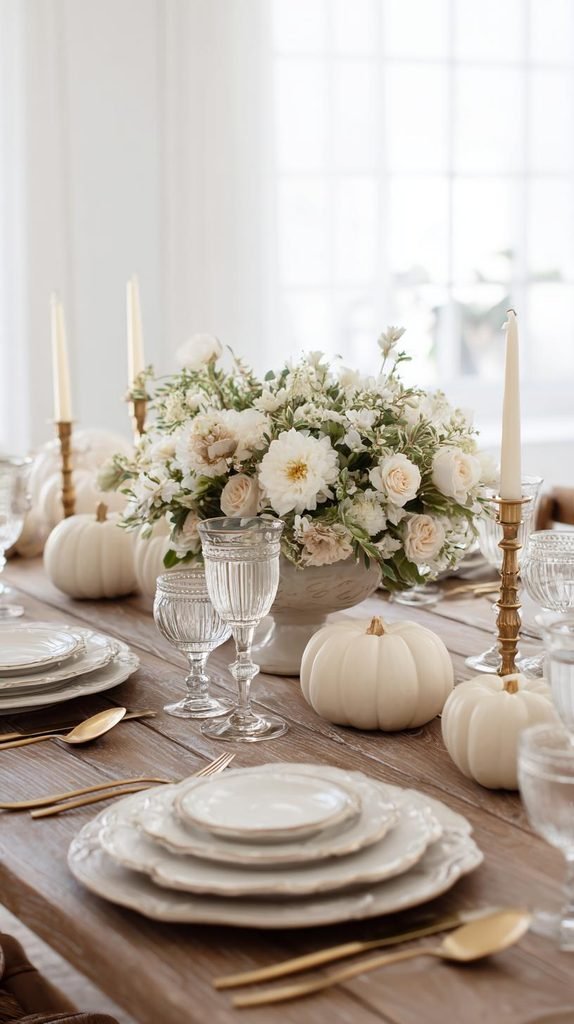
You don’t need a perfectly styled tablescape. A clean table, comfortable seating, and enough space for everyone to eat are what matter most.
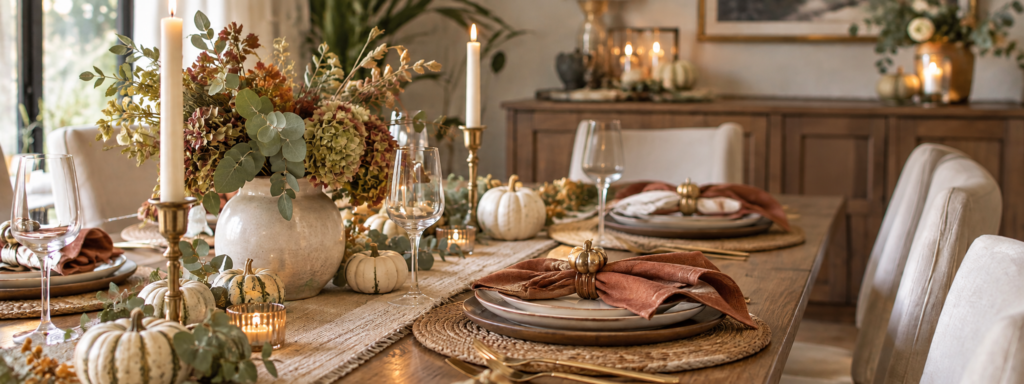
Want to make your Thanksgiving table feel a little more special? Read our guide, Skip the Orange Overload: 10 Thanksgiving Table Decor Finds for an Elegant Table, for ideas on creating a beautiful seasonal table without relying on the usual orange overload.
15. Prepare What You Can in Advance
Look at your menu and identify tasks that can be completed the day before. Depending on the recipes, this might include chopping certain vegetables, preparing sauces, baking desserts, or setting out serving dishes.
Label prepared items and refrigerate them when necessary. Follow food-safety guidance for storage, cooling, reheating, and serving.
On Thanksgiving Day, keep a short cooking schedule so you know what needs attention and when. Leave some flexibility for unexpected delays, too.
4. Get Ahead on Christmas
Thanksgiving may come first, but a few small Christmas preparations now can make December feel considerably less hectic.

16. Decide on Your Christmas Decorating Style
Before shopping for new decorations, choose a general color palette or theme.
You might prefer traditional red and green, elegant gold accents, natural greenery, or a simple mix of white and warm metallics. Choose a look that works with your existing furniture and decorations.
You don’t need to buy a matching collection. Repeating a few colors and materials throughout the room can make everything feel coordinated.
17. Check Your Christmas Tree and Lights
If you use an artificial tree, check that all the pieces are present and that the branches are in good condition. Test light strings and inspect cords for damage before using them.
Replace damaged electrical decorations rather than trying to repair them with makeshift fixes. Follow the manufacturer’s instructions for indoor and outdoor use.
If you’re buying a real tree, think about where it will fit and how you’ll keep it watered and away from heat sources.
18. Make a Christmas Calendar
Write down the dates that matter: school events, parties, travel, family visits, gift exchanges, and any holiday traditions you want to maintain.
Add deadlines for ordering gifts, sending cards, buying ingredients, and decorating.
A shared family calendar can help everyone see what’s coming up and avoid scheduling too many activities on the same day.
19. Plan Your Christmas Meals and Treats
You don’t need to decide every Christmas dish in October. Start by listing the meals and occasions you expect to organize, then gradually finalize the menus as plans become clearer.
Choose a few recipes you know well and add one or two new ones if you feel like experimenting.
If you enjoy holiday baking, identify recipes that can be prepared ahead of time and check whether you need any special ingredients or equipment.
Planning homemade treats as gifts? Explore our guide, 21 Festive Truffle Recipes for Christmas, Thanksgiving & Holiday Gifting, for inspiration, from festive flavors to treats you can share with friends and family.
20. Make a Christmas Shopping and Delivery Deadline List
Check estimated delivery times for gifts, decorations, and other items that need to arrive before Christmas.
Set your own deadlines earlier than the final possible delivery date. That gives you some flexibility if an order is delayed or an item needs to be exchanged.
For gifts that require shipping to another address, double-check the recipient’s details and the retailer’s delivery estimates before placing your order.
Keep receipts and order confirmations together so you can find them quickly if something goes wrong.
5. Make Holiday Hosting Easier
You don’t have to be an experienced host to make guests feel welcome. A few practical preparations can make gatherings more comfortable for everyone, including you.
21. Prepare a Simple Hosting Checklist
Write down what needs to be done before guests arrive, including tidying shared spaces, preparing food, chilling drinks, setting the table, and arranging seating.
Separate the essentials from the optional extras. If time gets tight, you’ll know which tasks matter most.
A short checklist also makes it easier to delegate jobs instead of trying to do everything yourself.
22. Check Your Tableware and Serving Pieces
Take out your plates, glasses, cutlery, serving bowls, platters, and table linens before the event.
Count what you have and decide whether anything needs washing, polishing, or replacing. If you’re short on serving pieces, you may be able to borrow some rather than buying a new set.
A few versatile serving dishes can be more useful than an elaborate collection you’ll rarely use.
23. Stock the Guest Bathroom
If you’re hosting, check that the bathroom has hand soap, toilet paper, a clean hand towel, and a small wastebasket.
If overnight guests are staying, you might also provide spare toiletries and a place to keep their personal items.
These small details help guests feel comfortable without requiring a major preparation effort.
24. Plan Drinks and Easy Snacks
Think about what guests might want before the main meal or while you’re finishing the cooking.
Water, tea, coffee, and a few simple drinks are often enough. For snacks, choose things that can be served without much preparation.
If you’re hosting a longer gathering, place drinks and snacks somewhere guests can access easily without crowding the kitchen.
25. Make a Plan for Leftovers and Cleanup
Prepare food-storage containers, labels, and enough refrigerator space before the gathering.
If guests will be taking leftovers home, having a few suitable containers ready can be helpful. Refrigerate perishable food promptly and follow food-safety recommendations rather than leaving dishes out for extended periods.
For cleanup, decide where used dishes will go and ask for help if you need it. You don’t have to restore the entire house to perfect condition before you sit down and relax.
6. Take Care of Yourself, Too
It’s easy to spend so much time preparing for everyone else that you reach the holidays feeling exhausted. These final tasks are about making the season enjoyable for you as well.
26. Schedule Downtime Before Your Calendar Fills Up
Look at your calendar and deliberately leave a few evenings or weekends free.
You don’t need to attend every gathering, accept every invitation, or fill every day with a festive activity. Choose the traditions that matter most to you and give yourself permission to skip the rest.
A quieter evening at home can be just as valuable as a busy holiday outing.
27. Keep a Few Easy Meals on Hand
Between shopping, decorating, and entertaining, regular meals can become an afterthought.
Plan a few simple dinners for busy days. Keep suitable pantry staples and freezer meals available so you don’t have to make complicated decisions when you’re tired.
You can also prepare double portions of meals that freeze well, giving yourself an easy option when the schedule gets crowded.
28. Protect Your Sleep and Daily Routine
Late-night shopping, social events, and extra responsibilities can disrupt your normal routine.
Try to maintain reasonably consistent sleep and wake times, take short walks when possible, and build in small breaks between activities.
You don’t need a perfect wellness routine during the holidays. The goal is to feel well enough to enjoy everything you’ve planned.
29. Choose the Traditions That Matter Most
Make a short list of the things that genuinely make the holidays special to you and your family.
Perhaps it’s decorating the tree together, baking cookies, watching a favorite Christmas movie, hosting a small dinner, or calling relatives who live far away.
Prioritize those moments instead of feeling obligated to recreate every tradition you see online.
30. Create a Flexible Holiday Plan
Once you’ve made your lists, put everything into a simple calendar or checklist.
Spread tasks across the weeks instead of trying to do everything in a single weekend. Leave a little room for unexpected invitations, last-minute errands, and days when you simply don’t feel like doing much.
Remember that the checklist is there to make your life easier, not to become another source of pressure.
Your Stress-Free Holiday Checklist
You don’t need to complete all 30 tasks immediately. Start with the ones that will save you the most time or prevent the biggest headaches.
Start now
- Set your holiday budget.
- Make your gift list.
- Declutter the busiest areas of your home.
- Check your decorations and kitchen equipment.
- Start planning your Thanksgiving menu.
Before Thanksgiving
- Finish grocery shopping and prepare what you can in advance.
- Confirm guests and seating.
- Prepare your serving dishes and tableware.
- Make a short cooking and hosting schedule.
Between Thanksgiving and Christmas
- Finish gift shopping and wrapping.
- Decorate for Christmas.
- Finalize Christmas meal plans.
- Prepare guest spaces and hosting essentials.
- Keep a few evenings free for yourself.
Final Thoughts
A stress-free holiday season doesn’t come from doing everything perfectly. It comes from making a few thoughtful decisions before the rush begins.
Start with the tasks that matter most, spread the rest across the coming weeks, and don’t be afraid to simplify your plans. You can have a welcoming home, thoughtful gifts, delicious food, and meaningful traditions without turning the holidays into one long to-do list.
After all, the point of preparing for the holidays is to make more room to enjoy them.
Save this checklist so you can come back to it as Thanksgiving and Christmas get closer.